

CGC Cards recently came across a high-quality counterfeit Pokémon card from the Japanese Scarlet & Violet 151 set: a reverse holo Omanyte. Apparently to create additional perceived value, the card has the appearance of an error card: Its front printing is inverted and misaligned, and the Poké Ball pattern is inverted as well.
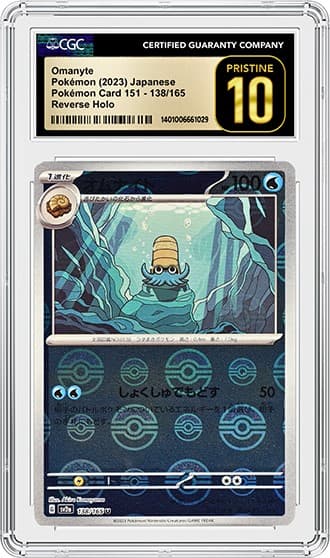
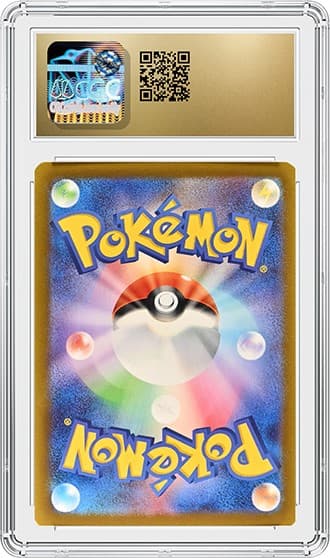
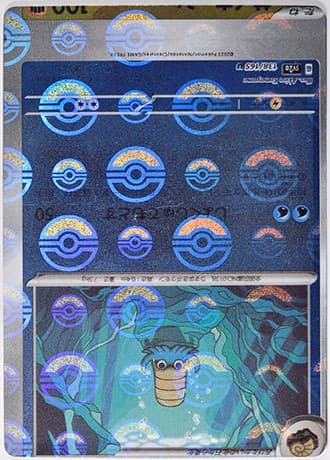
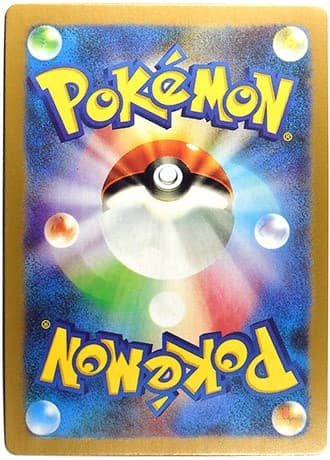
As seen in the photos above, the counterfeit card is a decent replica of the genuine card. It's especially detailed on the back, to the point where only a close examination reveals that it is fake. The front appears a bit faded, and the Poké Ball holo pattern isn't quite as vibrant as the genuine example. But to really see the differences between fake and genuine, it is important to look more closely at the details of both cards.
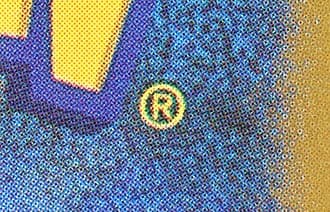
When looking at close-up photos of Omanyte's art, the counterfeit card has a similar rosette pattern to the genuine card. This means that the forger used the same 4-color printing process to produce the fake card. However, without access to the original source files, the artwork on the fake is much fuzzier than that of the genuine product. Additionally, the counterfeit card is missing the additional black layer that helps darken the lines and text on the card.


Additionally, the black within the text and set symbols in the lower-left hand corner of the fake card is extremely fuzzy. The counterfeit's white areas also contain rosettes, which are absent on the genuine card.
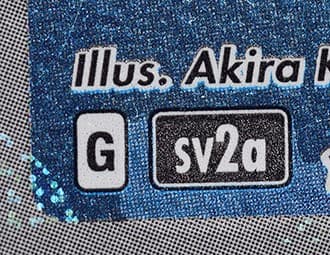
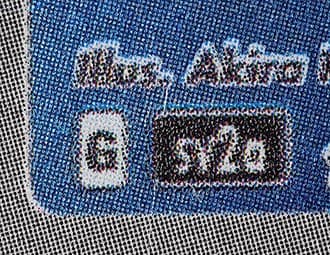
Initially, the Poké Ball holo pattern looks comparable to the genuine card; however, upon closer inspection, it is noticeably different. The most obvious difference on the fake is that the sparkle pattern in the top of the ball has much smaller pixels. Also, the counterfeit isn't quite as tall or wide, making the ball shape appear a bit oval. Finally, there is a noticeable difference between the black text on the two cards.

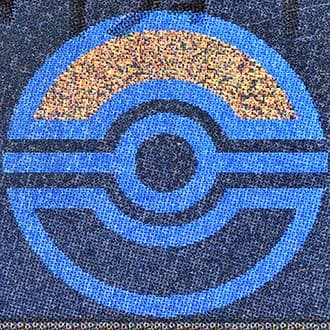
Occasionally, counterfeiters will remove a genuine card's backing and attach it to a fake's front to lessen suspicion when presenting to buyers. This practice is more common with Magic: The Gathering counterfeits, but it does happen with Pokémon cards. However, this is not the case with this fake card. Upon closer inspection, the printing on the counterfeit card's back is much fuzzier than that of the genuine card's backing, proving that the whole card is indeed counterfeit.
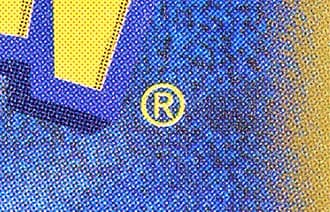
Collectors must be cautious whenever buying ungraded cards, especially ones that appear to be rare variants or error cards. Every card certified by CGC Cards is guaranteed to be authentic and not overgraded under the CGC Guarantee. For more information, click here.
About CGC
Since revolutionizing comic book grading in 2000, CGC has grown to include certification services for a vast variety of pop culture collectibles. These divisions include CGC Cards, CGC Video Games and CGC Home Video. CGC Cards provides expert card grading for TCGs, sports cards and non-sports cards. CGC Video Games is dedicated to video game grading for the most popular consoles, including Nintendo, Sega, Atari, PlayStation and more. The newest division of CGC, CGC Home Video, provides expert VHS grading in addition to other types of home media, including Betamax tapes, DVDs and Blu-ray discs.