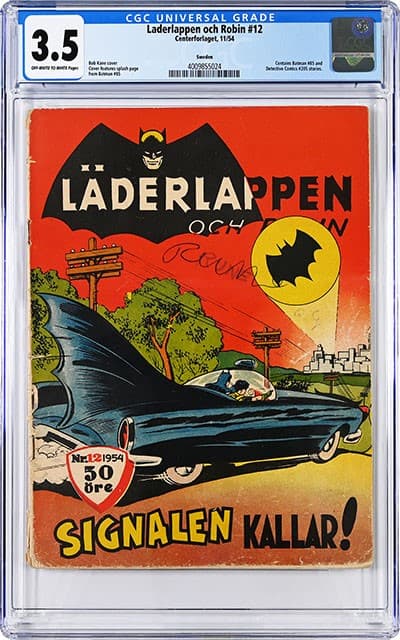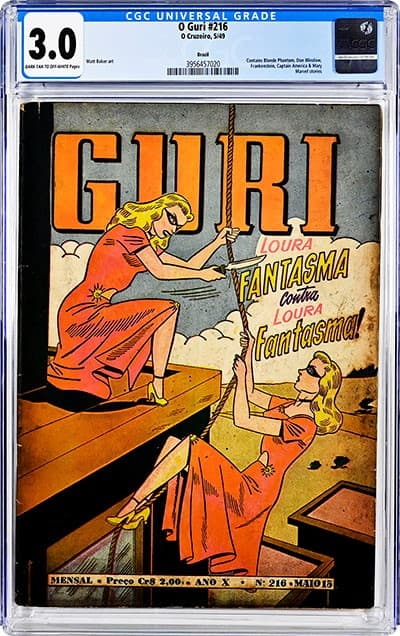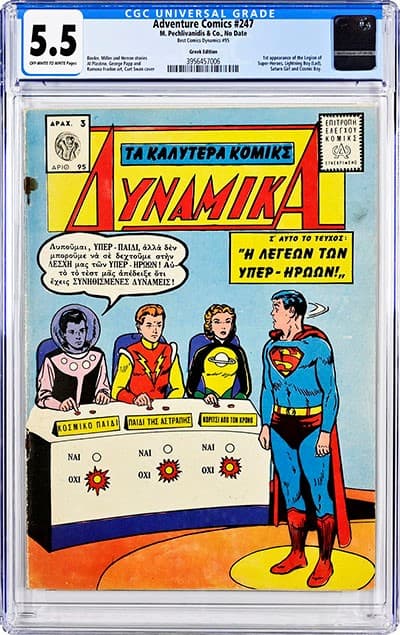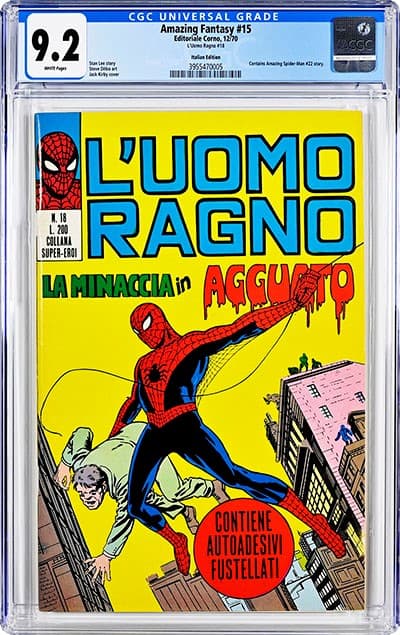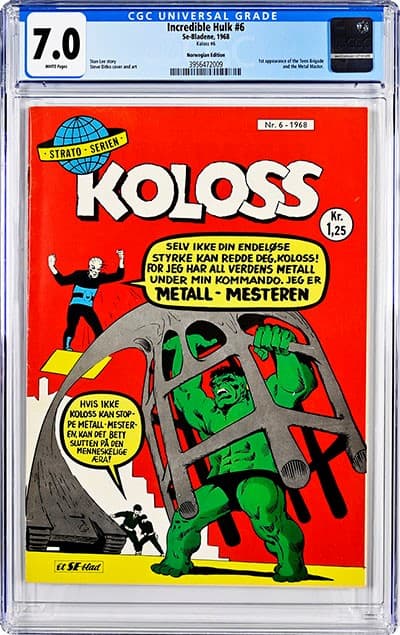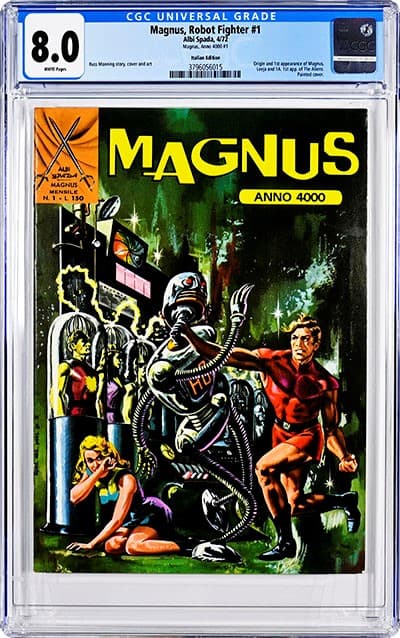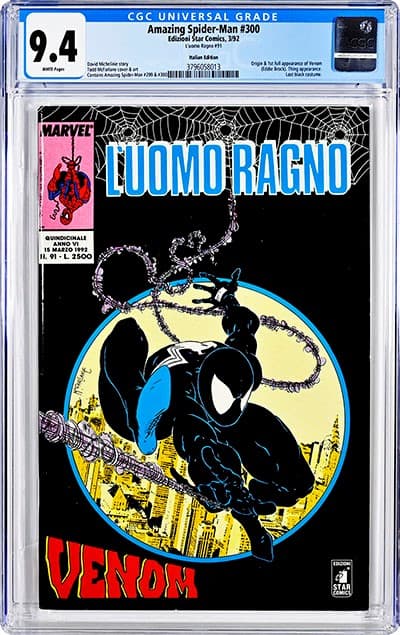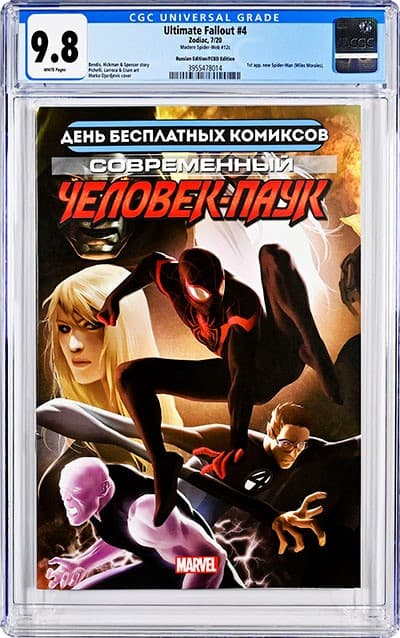

Comic characters have existed across the globe in some form or another long before 1933, the year that the modern comic book was created in America. Superman’s introduction in 1938 was another significant contribution, opening the door to modern mythology that dominated US comics for the next seven years. Since then, comic books have flourished worldwide in many different genres and styles, attaining cultural significance in countries like France, Italy, Brazil and Japan.
In addition to each nation’s output of original material, many were exposed to US comics as well, depending on the time period and location. In the beginning, the rest of the world saw little of what America produced during the Golden Age. By the Silver Age, however, foreign versions of US comics were being distributed far and wide, spurred by the success of Marvel and DC Comics’ revitalization of the superhero genre. Today, comics are a global phenomenon, with more countries producing comic books than ever before.
To illustrate the diversity of the international market, 20 versions of the Punisher’s first appearance in Amazing Spider-Man #129 (1974) were released in 17 different countries over subsequent years. Despite the obvious differences, it’s clear to any comic book collector which US issue these represent!

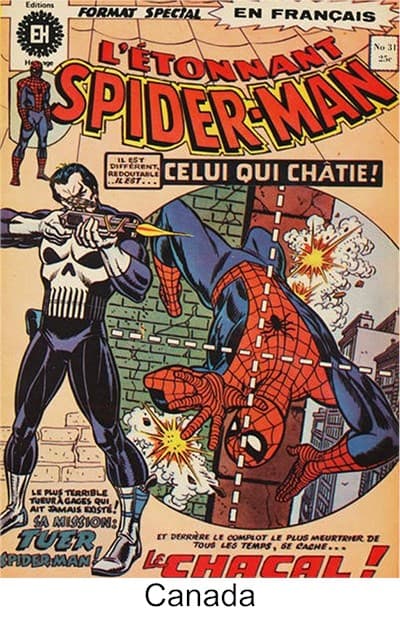
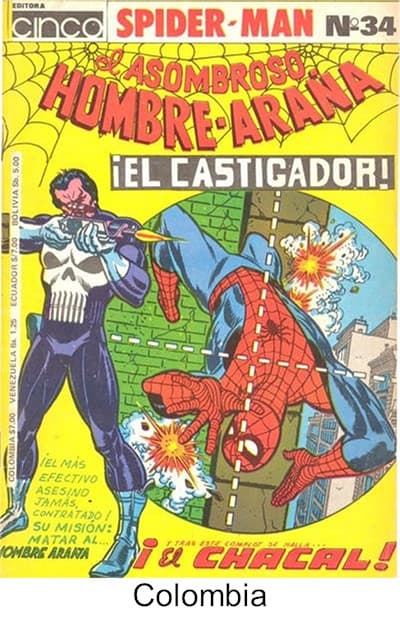
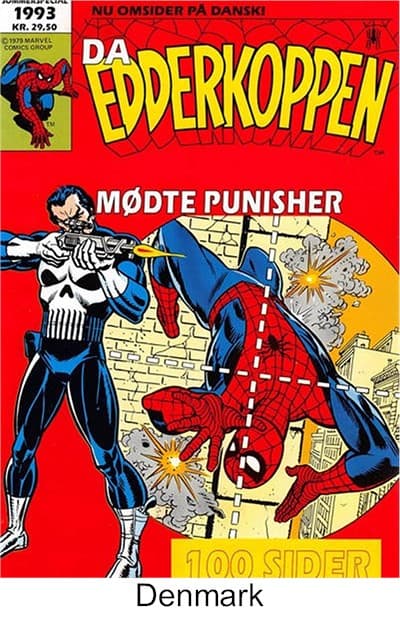
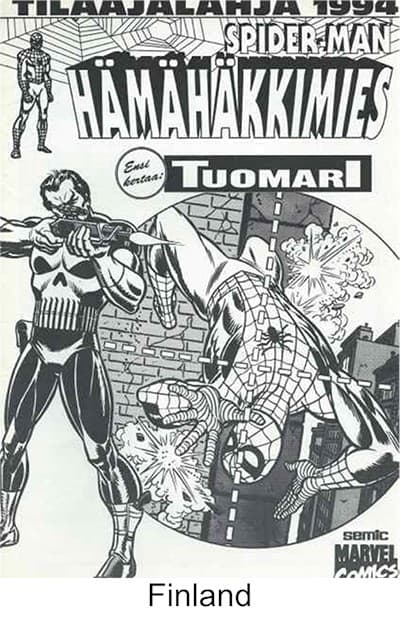

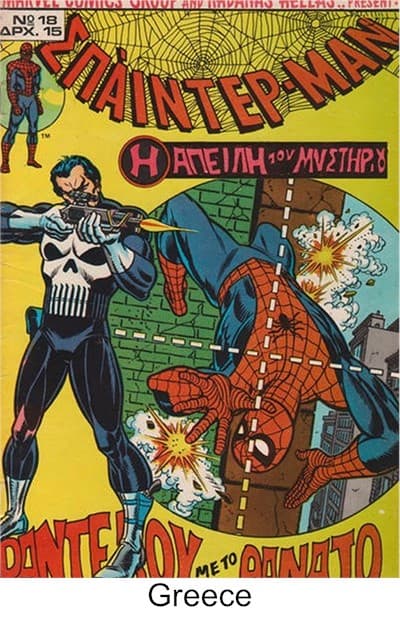
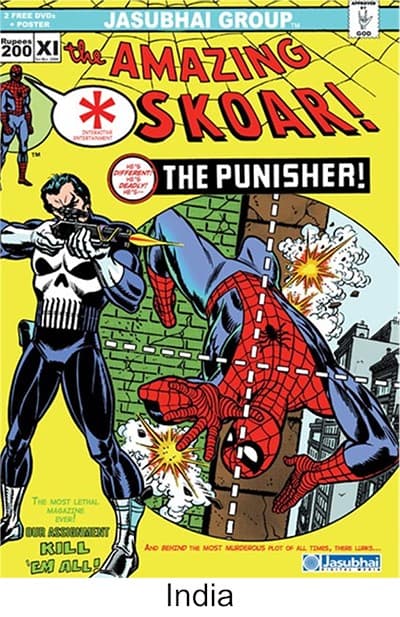
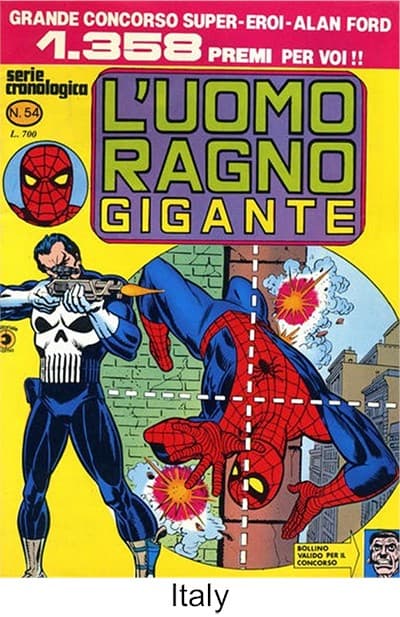
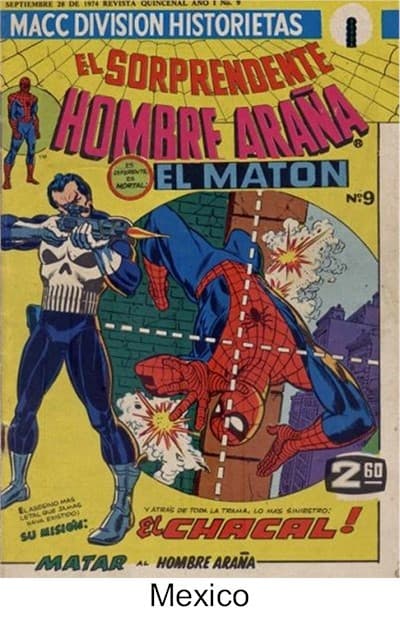
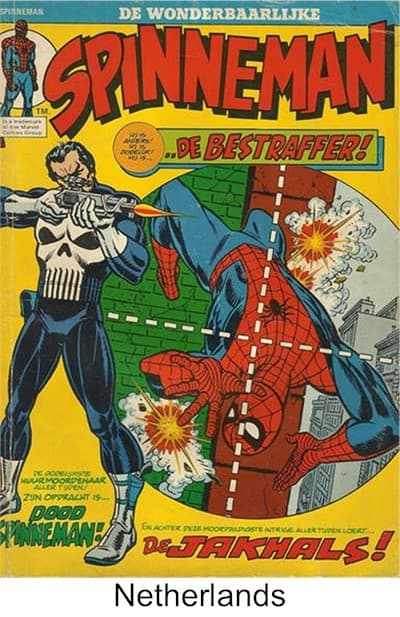
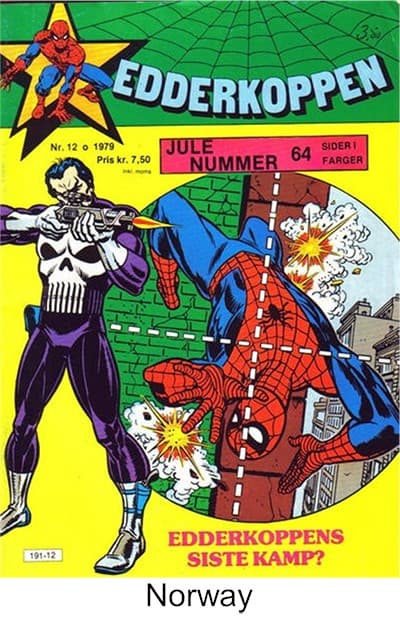
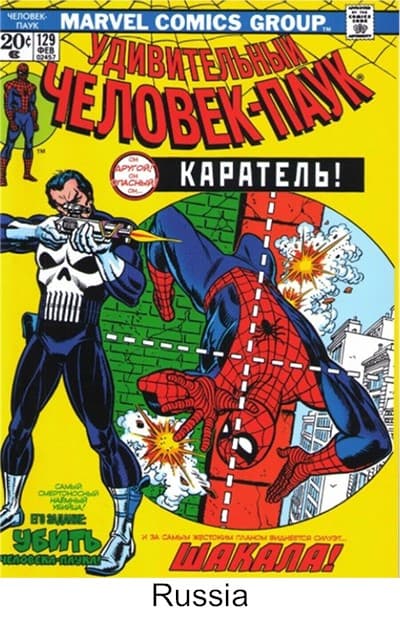
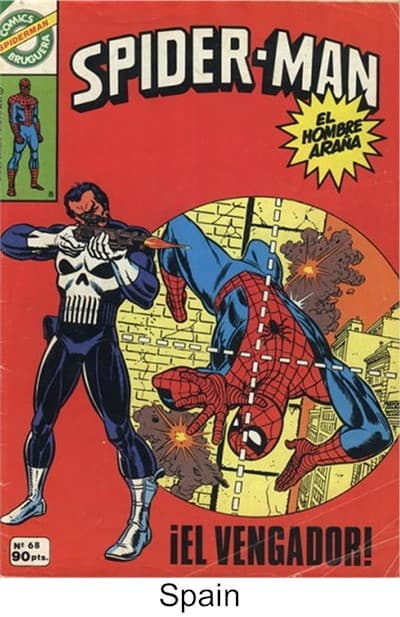
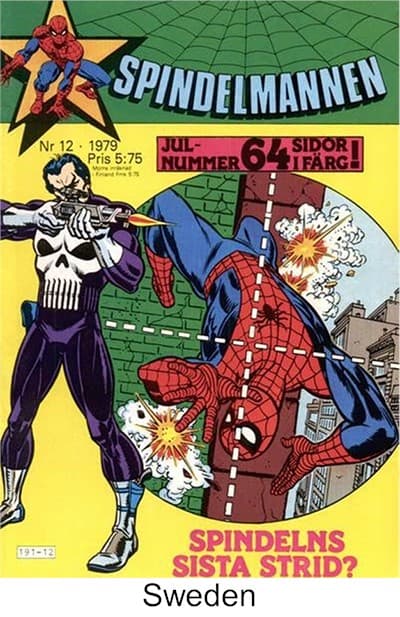
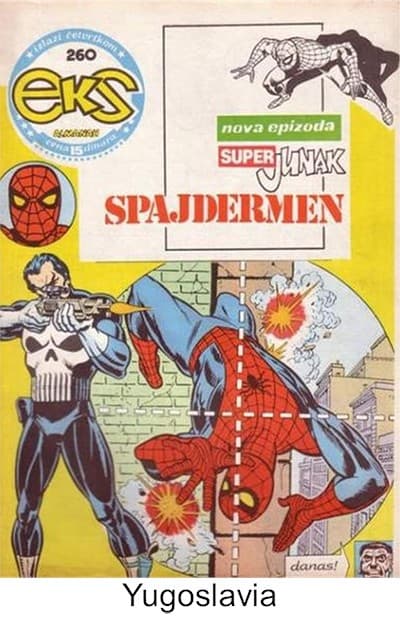
The broad and expansive history of international comic books presents several challenges for certification. Foreign editions of US comics were often printed abroad with altered covers, text, numbering and content, and released months or even years after the original version appeared in the States. There is no comprehensive documentation of each country’s output over the decades; previously unknown editions still surface often. Paper production ranged from newsprint covers to heavy stock, and dimensions varied from digest to magazine size.
CGC classifies international comics three ways:
Unique editions (foreign comic books published with no US counterpart)
Foreign editions (foreign comics with a US counterpart that exhibit differences in cover or content)
Price variants (foreign comics that are identical except for the price)
Detailed explanations of these three classifications, the history of international comic books, identification of first appearances and how to submit international comics to CGC for certification can be found here.
A gallery of more than 200 CGC-certified international comics can be found here. Below are just a few examples: