

Magic: The Gathering is widely considered to be the first modern trading card game. Created by Richard Garfield, Magic: The Gathering was released in 1993 to critical acclaim and widespread success, turning the world of tabletop gaming on its head. By 2023, MTG had more than 50 million players and had generated more than $1 billion in annual revenue. Today, Magic: The Gathering is one of the world’s most celebrated trading card games.
Despite the game’s popularity, however, some players and collectors (especially those newer to MTG) find it challenging to understand the many symbols and text boxes on a card, and what they mean — both during gameplay and when looking to determine the collector value of their Magic: The Gathering cards. CGC has certified more than 260,000 Magic: The Gathering cards, and we’re happy to share our expertise on the game.
CGC has already published a guide on how to deconstruct and read each part of a Magic: The Gathering card. In this guide, we’ll focus on card borders and how their different colors hint at a card’s set type, gameplay legality, rarity, and more.
Note: This guide will not cover card frames, which describes the internal graphical layout and design of a Magic: The Gathering card. CGC will discuss frames in a future guide.
What is a Card Border?
A card border is the outermost part of any TCG card. While most TCG’s use standard border colors (such as yellow or silver for the Pokémon TCG), Magic: The Gathering uses different colors and styles on the borders of their cards to signify what set the card was printed in, its rarity, and more. MTG card borders come in several colors and treatments, including:
Black border
White border
Silver border
Gold border
Extended art
Borderless
Let’s check out what each of these mean:
Black Border
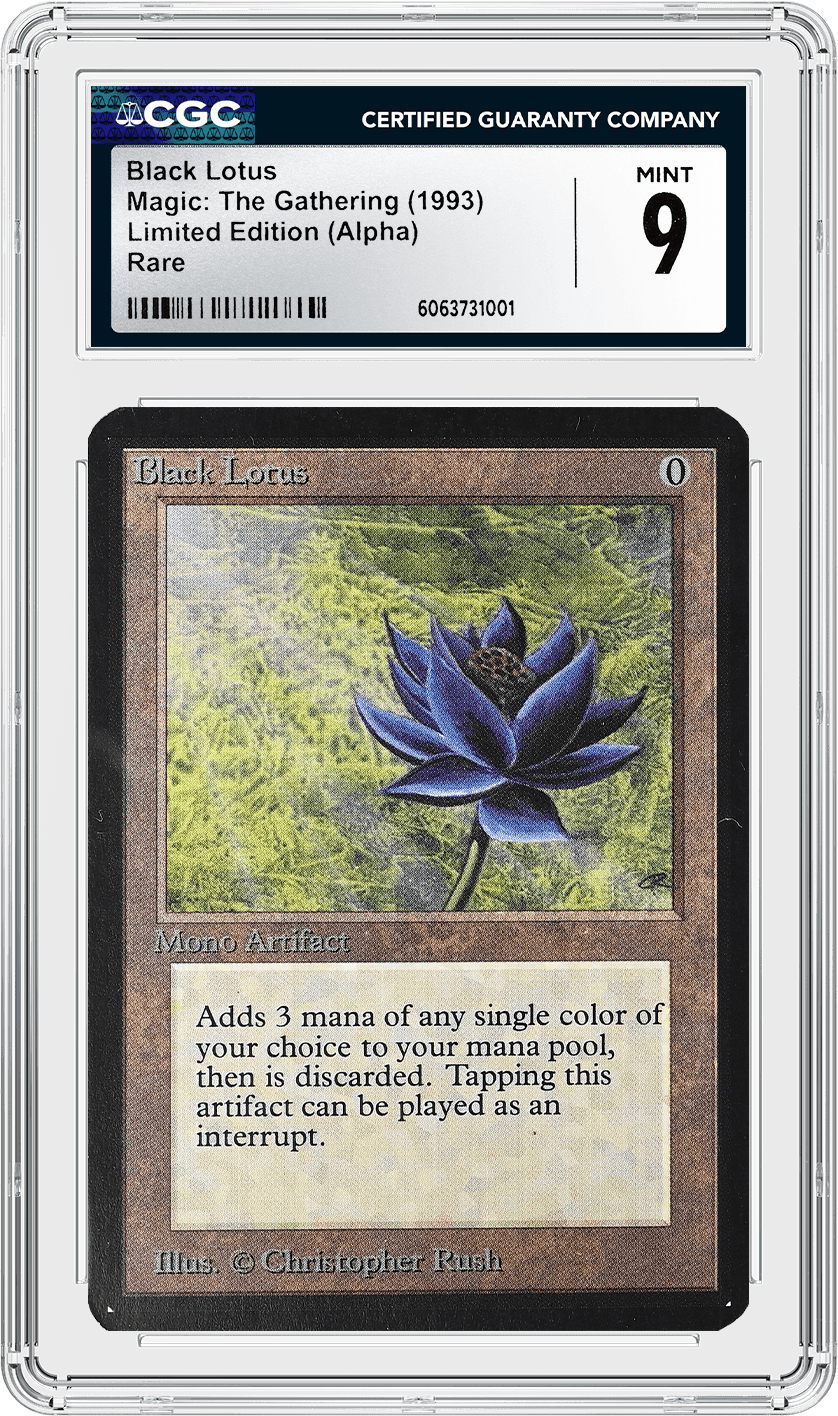
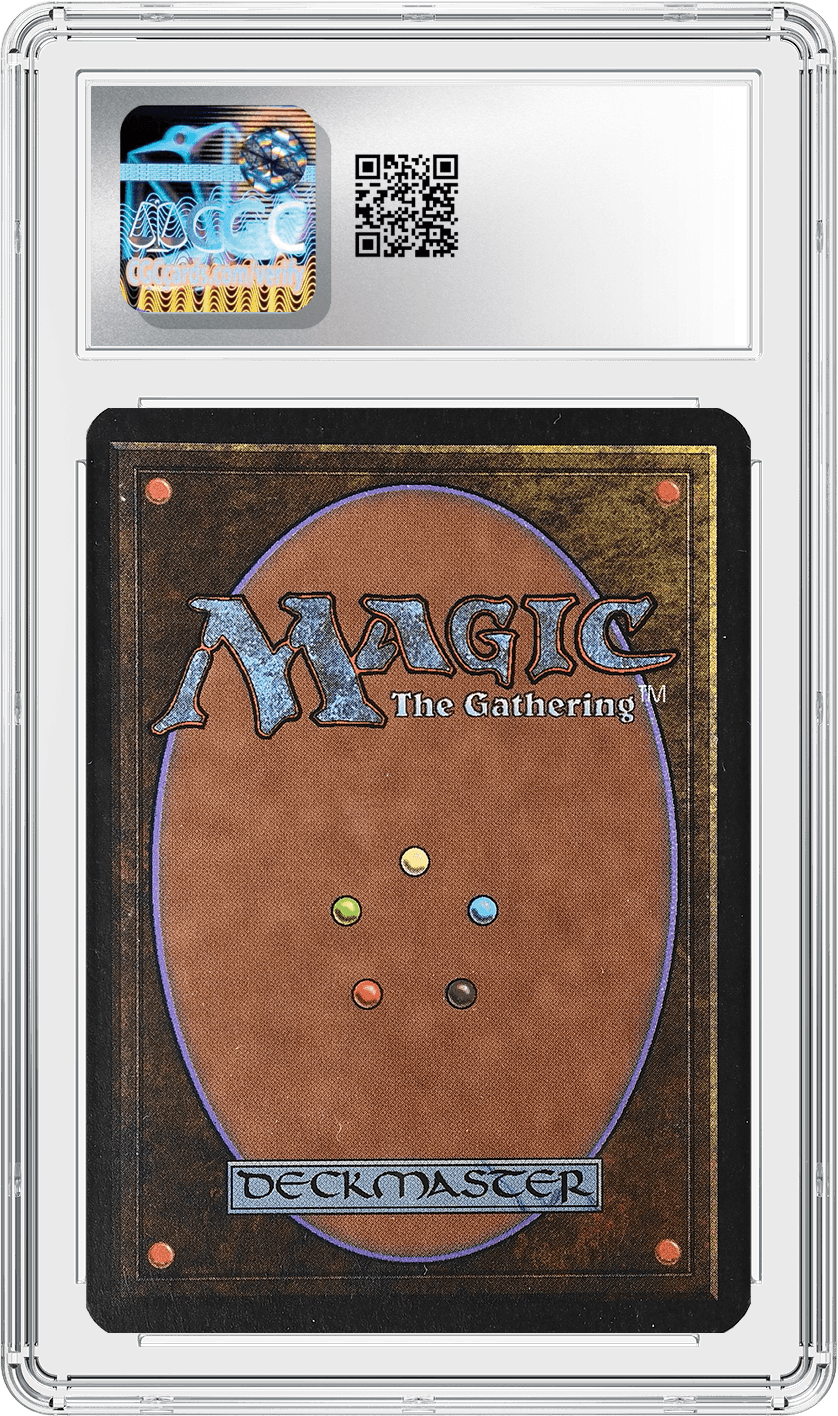
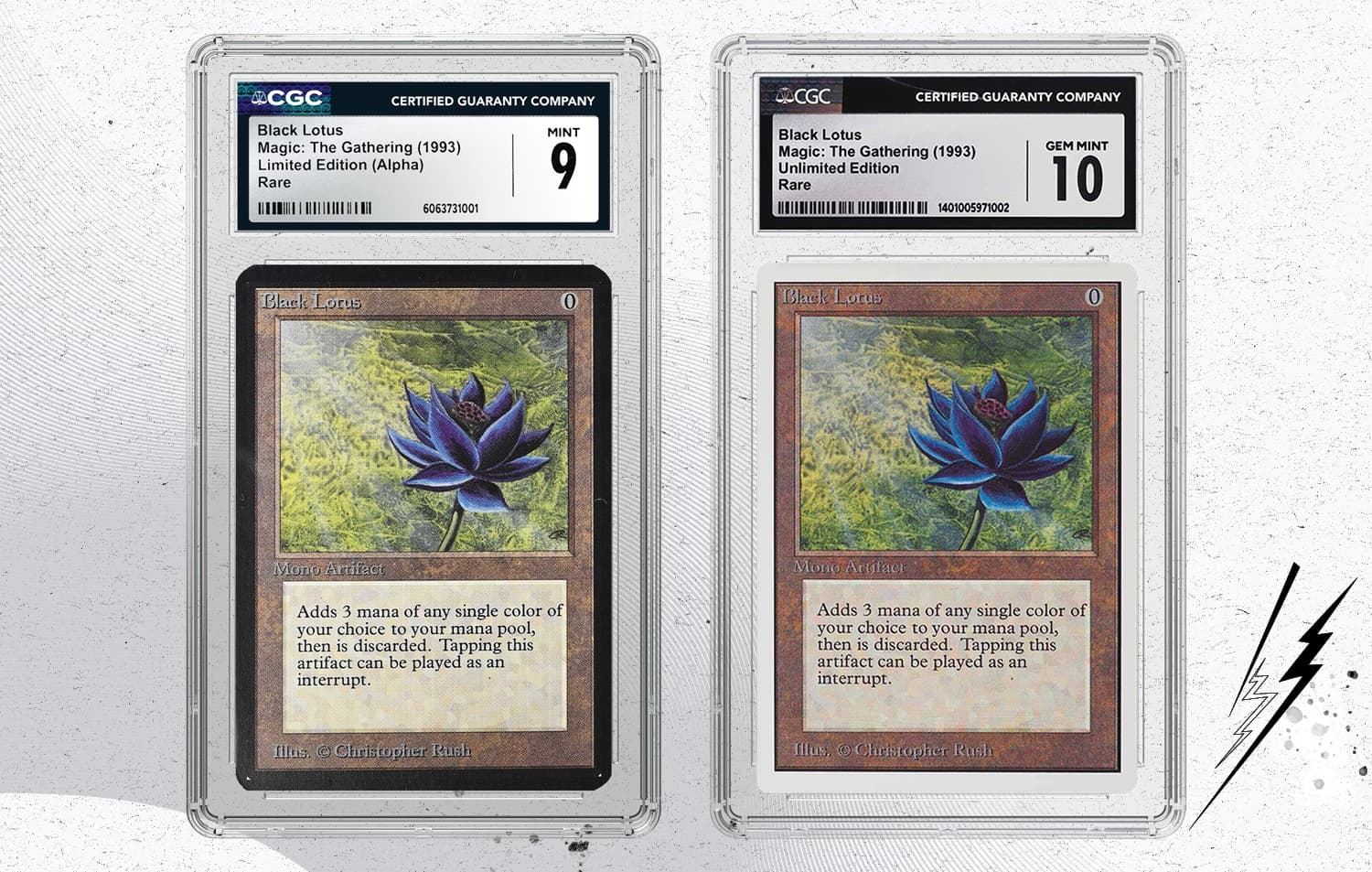
Standard black borders are used for most cards in Magic: The Gathering. Before Tenth Edition (2007) was released, black borders were also restricted to cards that were released for the first time, such as cards printed in the Alpha and Beta Limited Edition sets. After Tenth Edition was released, black borders were used for all core sets from then on, including reprinted cards.
White border
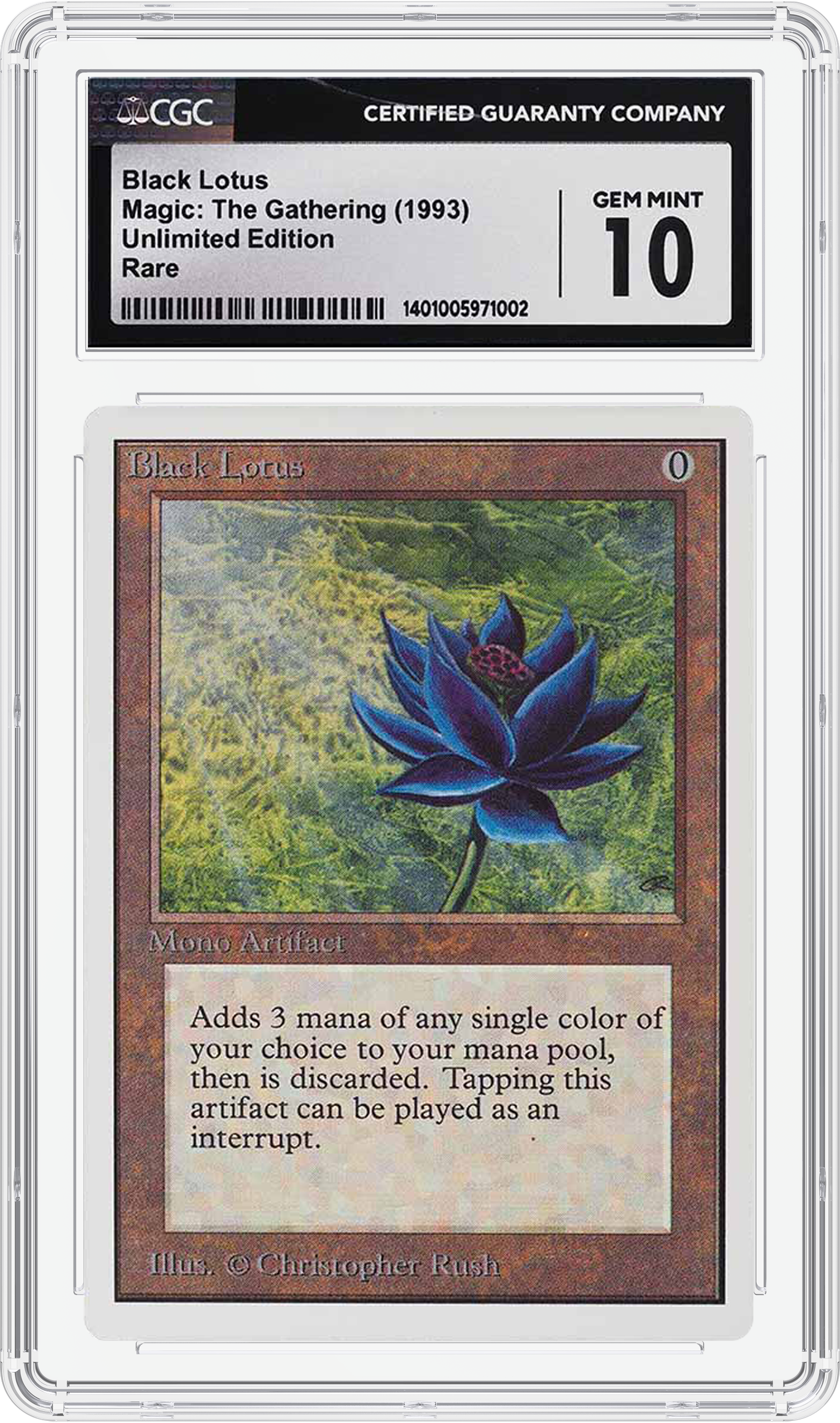
Originally, white borders were used for cards in core sets between Unlimited and Ninth Edition. During this time, all cards with a white border were reprints of cards that had been introduced in previous sets. Take this Black Lotus from Unlimited, for example. Black Lotus was originally printed in the Limited Edition sets, so the Unlimited Black Lotus has a white border. Although white borders were phased out after Ninth Edition due to negative reception, they made a return as a gimmick in two later sets: Secret Lair Drop Series: April Fools and Mystery Booster 2.
Silver border
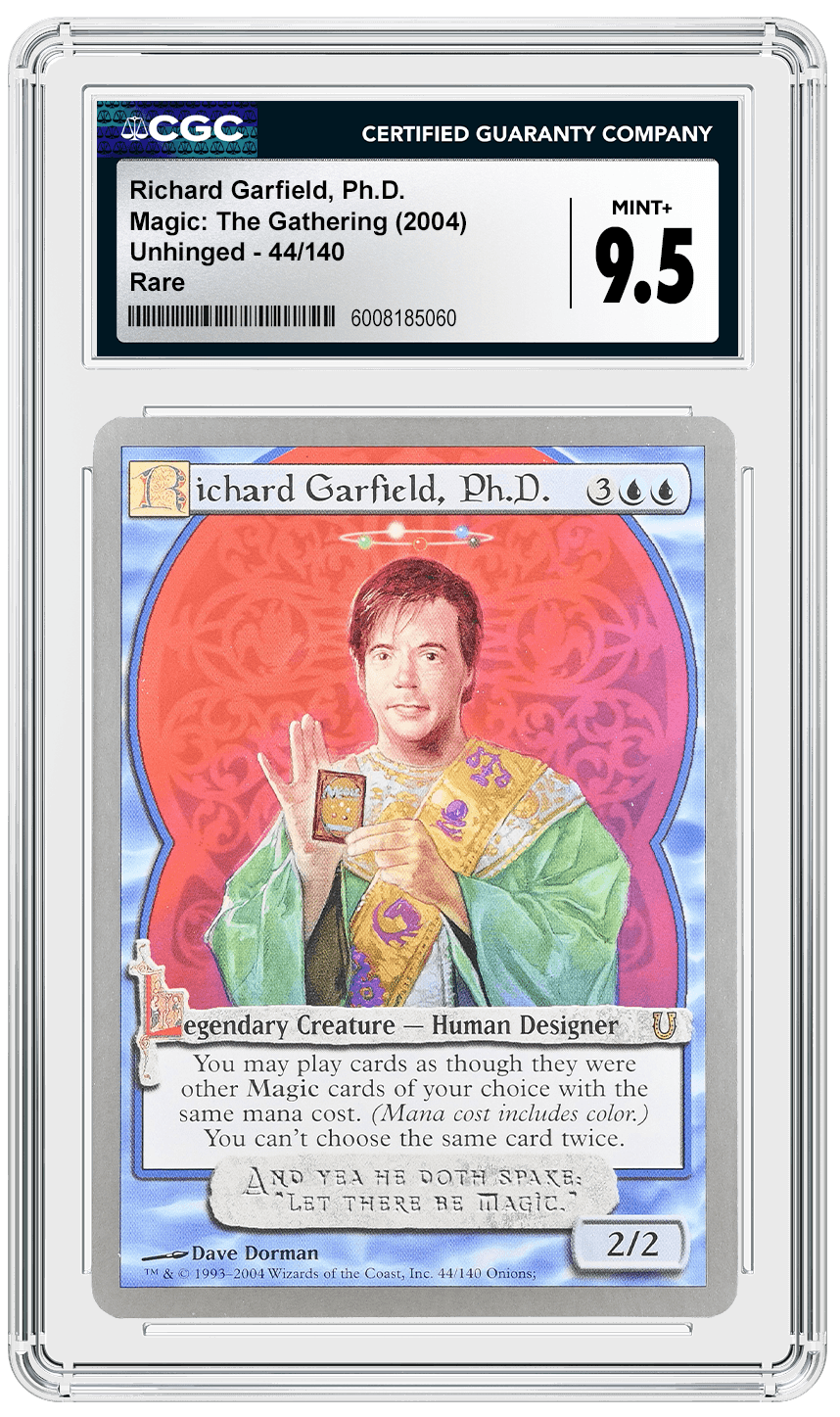
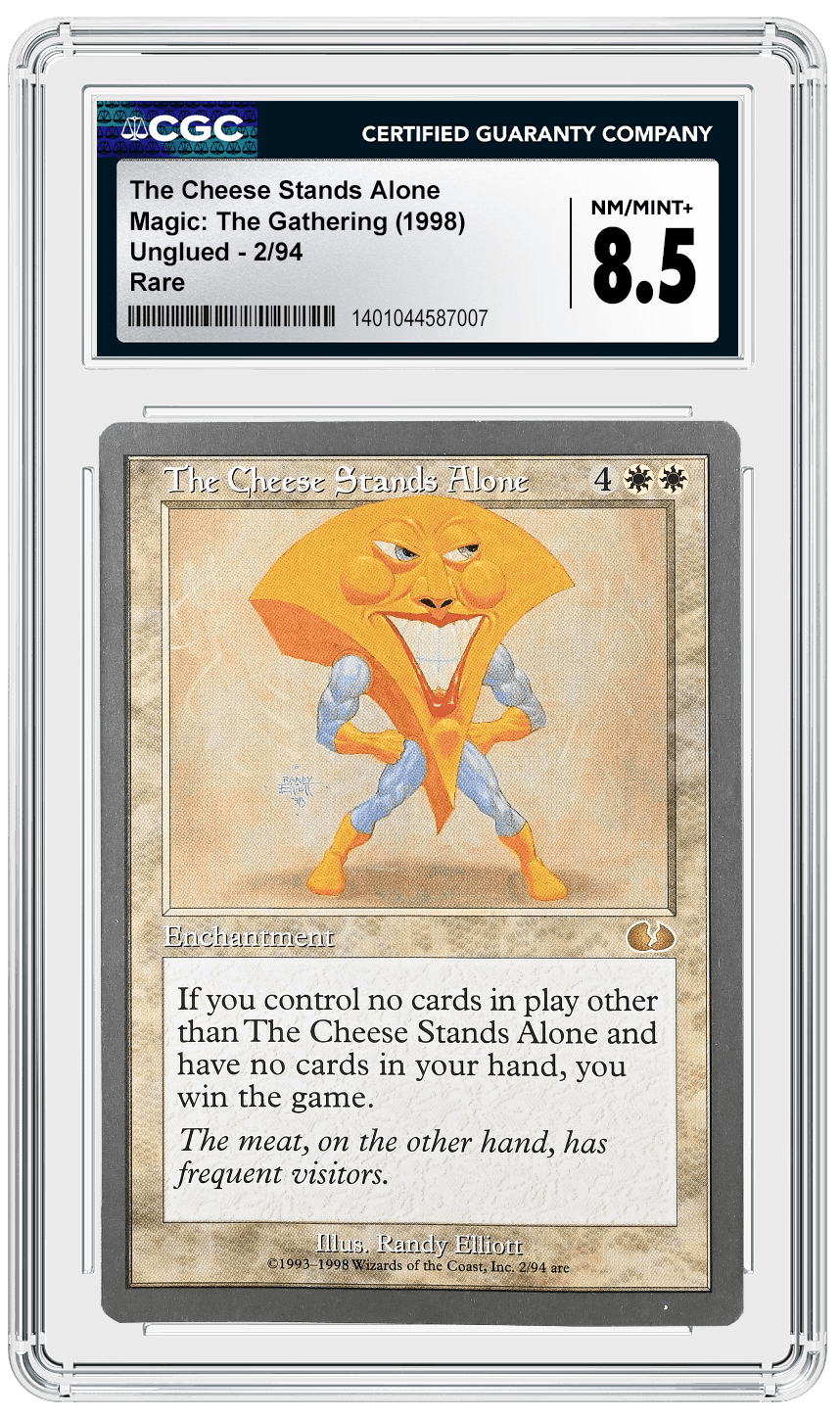
Silver borders are printed on cards that are not tournament legal. They were first introduced in 1998 with Unglued, MTG’s first Un-set — a series of “joke sets” that are traditionally released to give players a fun, casual way to push the gameplay of MTG to the extreme, all while enjoying humorous takes on other MTG cards. Silver borders are also used for some promotional card sets, including Holiday cards, some Secret Lair drops, and HASCON promos.
In 2022, silver borders were phased out in favor of cards with black borders and a special “acorn” holofoil stamp, which denotes the same “non-tournament legal” status as the silver borders once symbolized. This allowed Wizards of the Coast to release non-tournament legal cards and legal cards in the same set.
Gold border
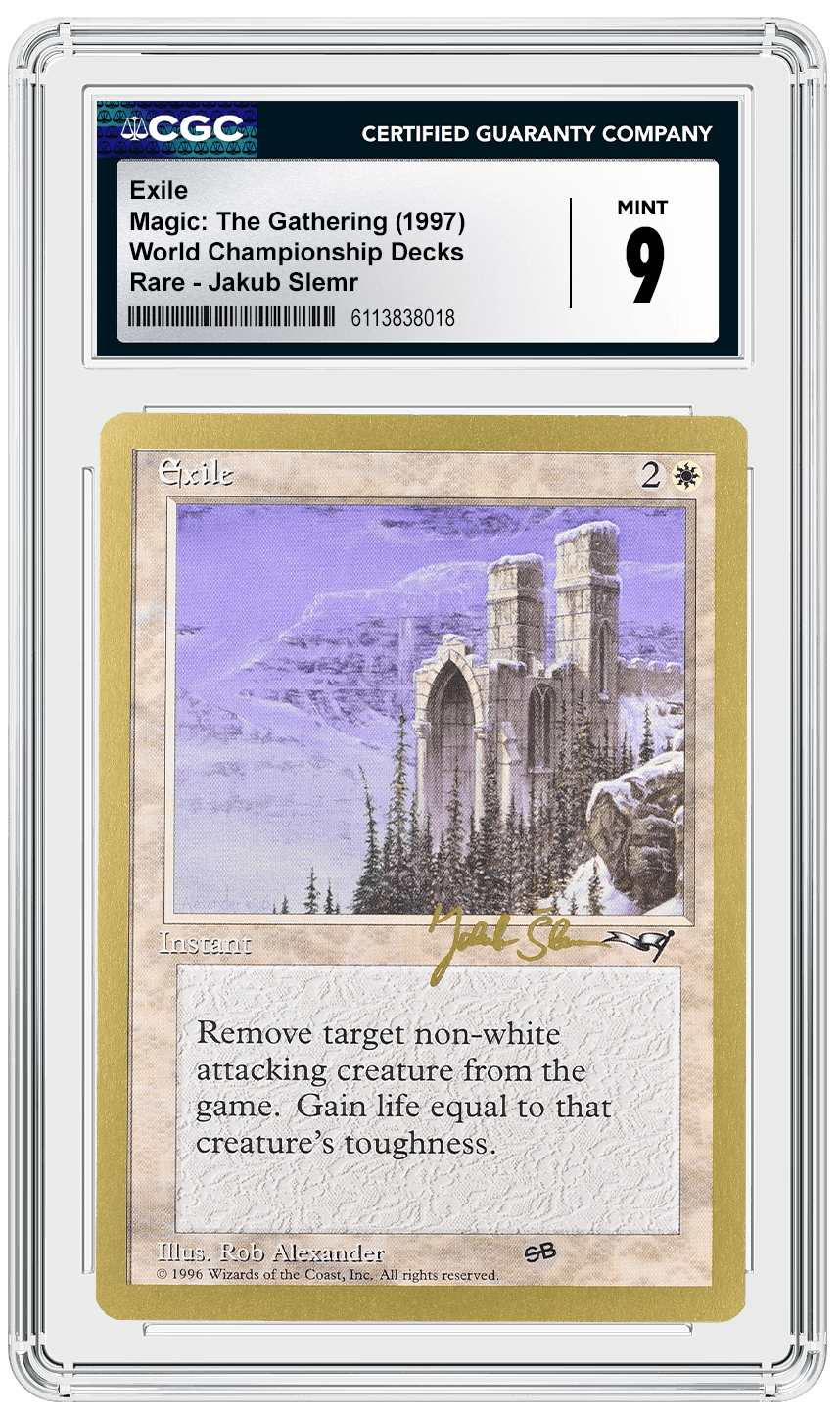
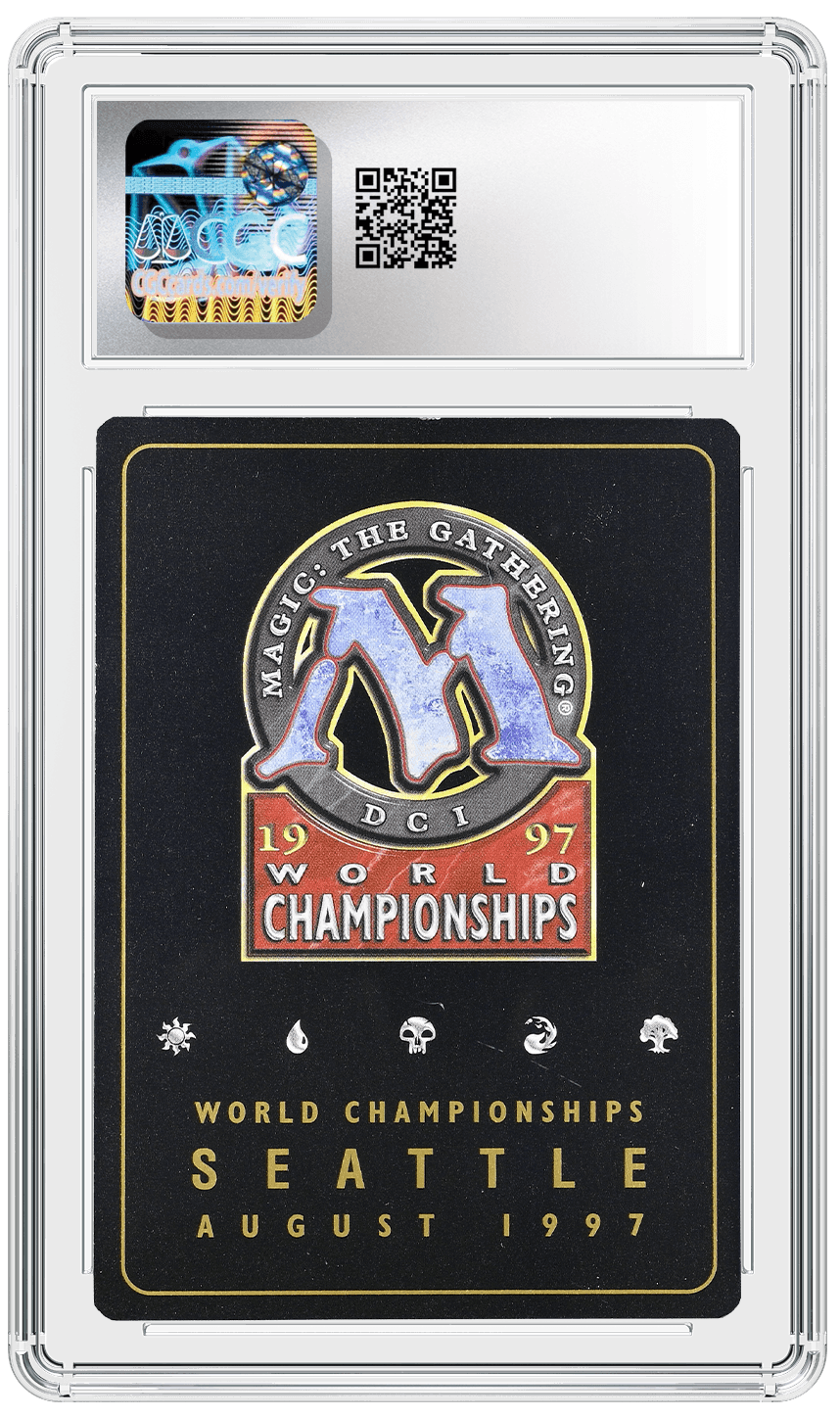
Cards with gold borders come from three distinct commemorative sets:
the Collectors’ Editions for Limited Edition Beta
the tournament deck series for the first Pro Tour and World Championship series held from 1997 to 2004
the 30th Anniversary Edition set (which has gold borders on the back of the card and regular black borders on the front).
Unlike silver border cards, gold bordered cards aren’t explicitly banned by tournament rules. However, because all of the cards from the above sets have non-standard card backs, they are still illegal in tournament play.
Colored border
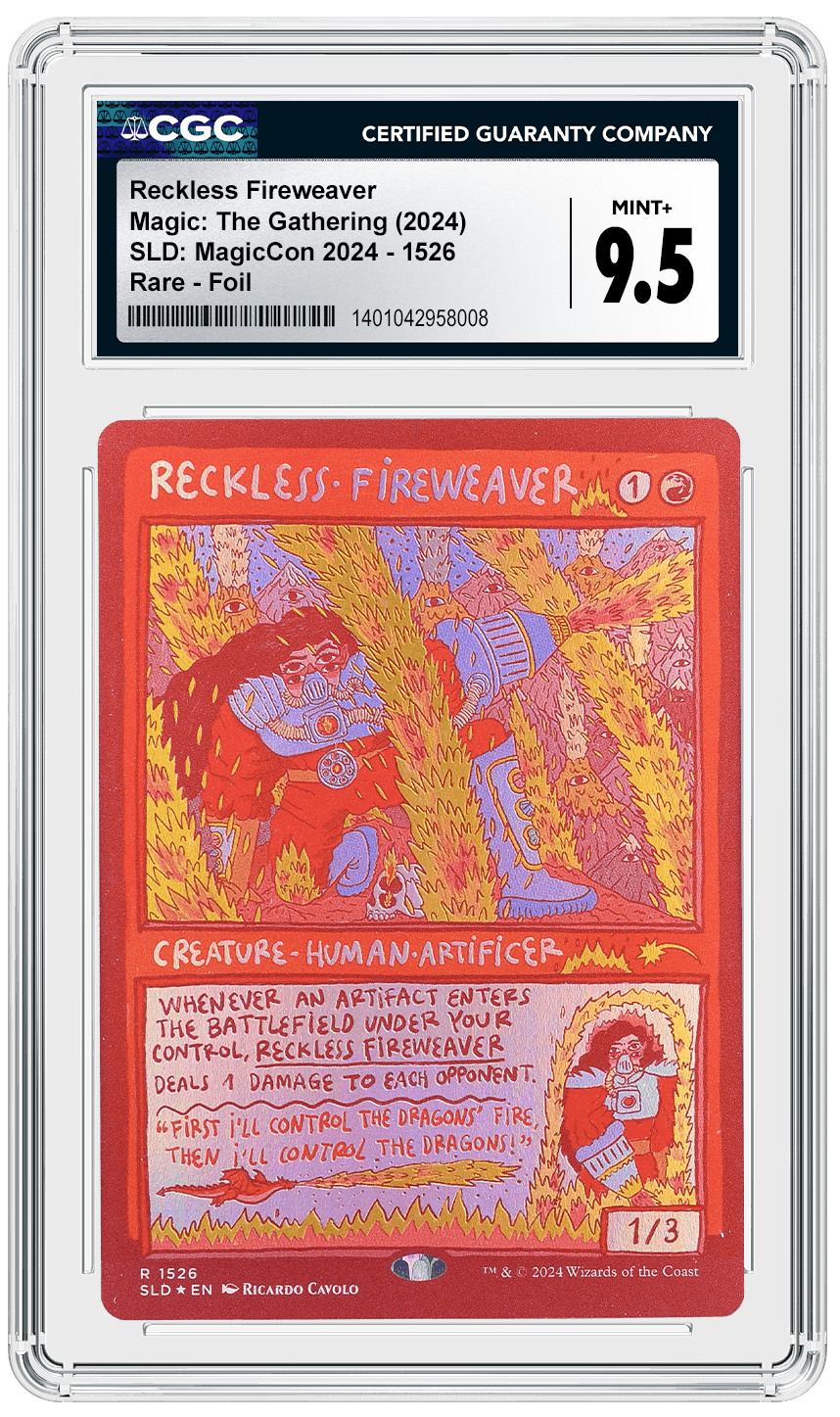
Colored borders were introduced in the Burning Revelations Secret Lair Drop Series set. The mini-set contains only five cards and was distributed at MagicCon events that were held in 2024. Each card was treated with traditional foil and had red borders. Colored borders wouldn't appear on Magic: The Gathering cards again until the release of Aetherdrift in 2025, which featured yellow borders on first-place foil cards.
Extended-art
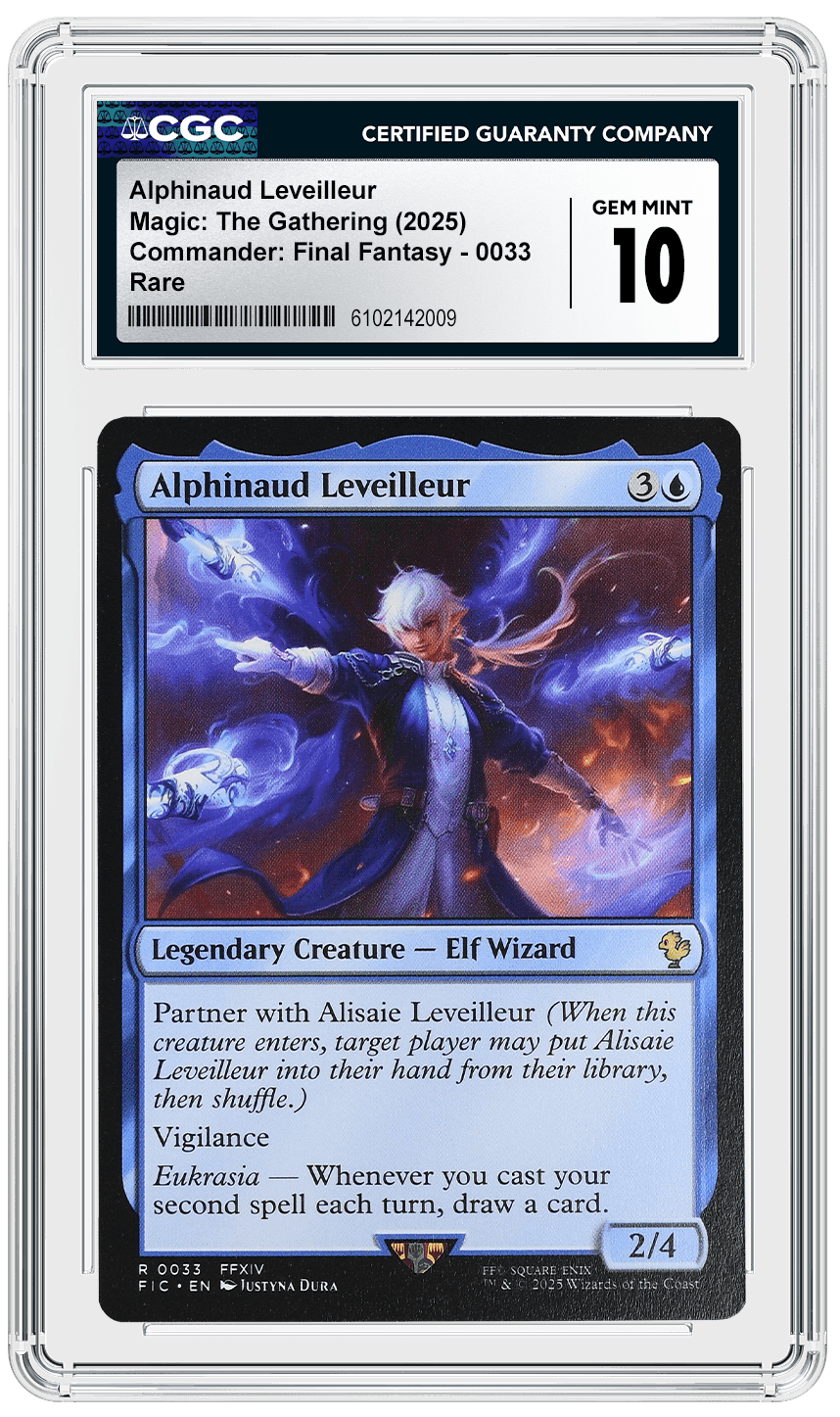
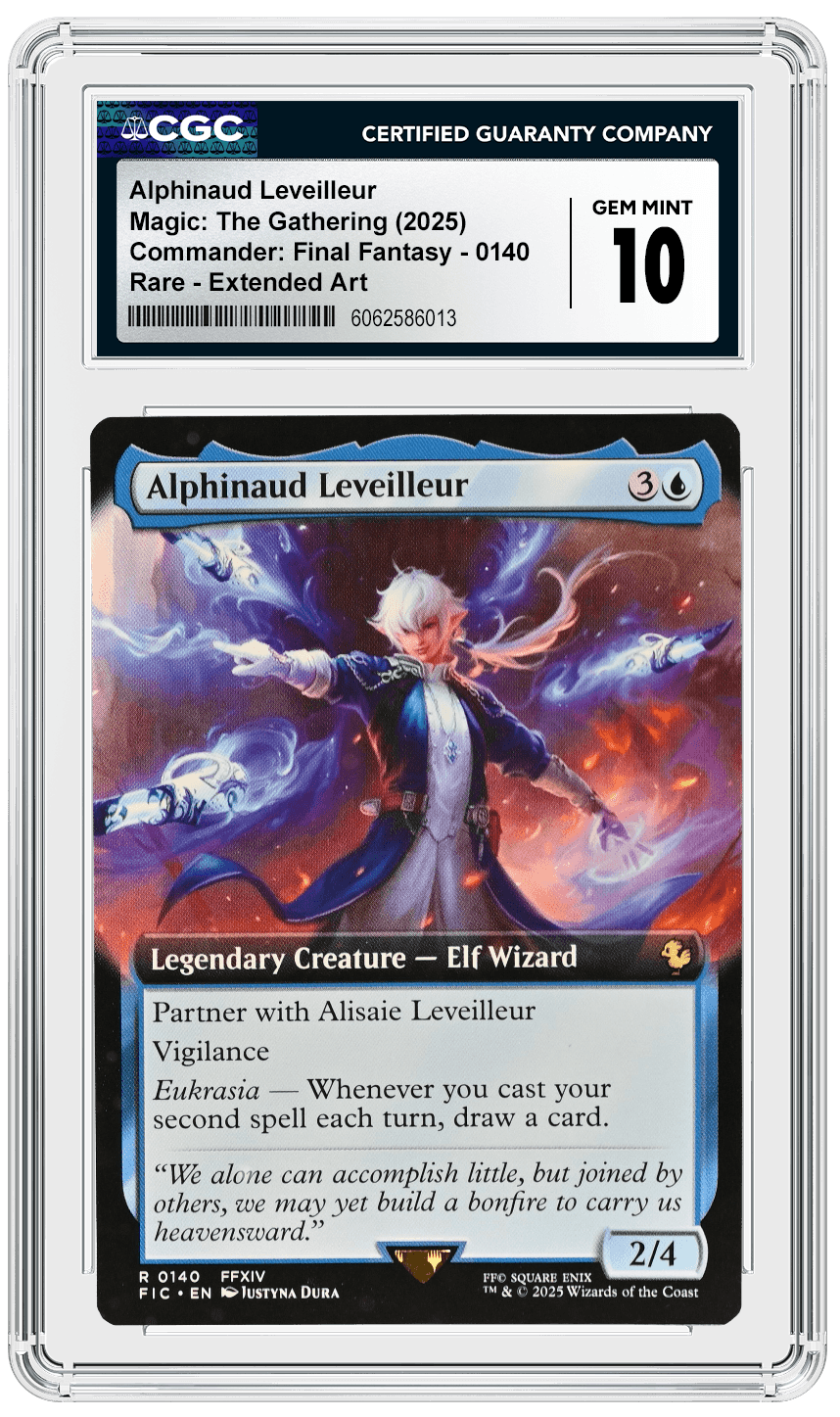
While traditional foil cards have been a collector's staple in Magic: The Gathering and other TCGs for decades, extended-art cards — or cards that have artwork extending to the far edges of the card — are a relatively recent addition to MTG. Unlike full art cards in other TCGs, Magic: The Gathering's extended-art cards keep the artwork confined to the art box from top to bottom, but remove the side borders on the card to let the artwork further extend, adding more detail and color. Extended-art cards were introduced in 2018 with the Ultimate Masters set and are typically distributed as box toppers or in collector booster packs.
Borderless
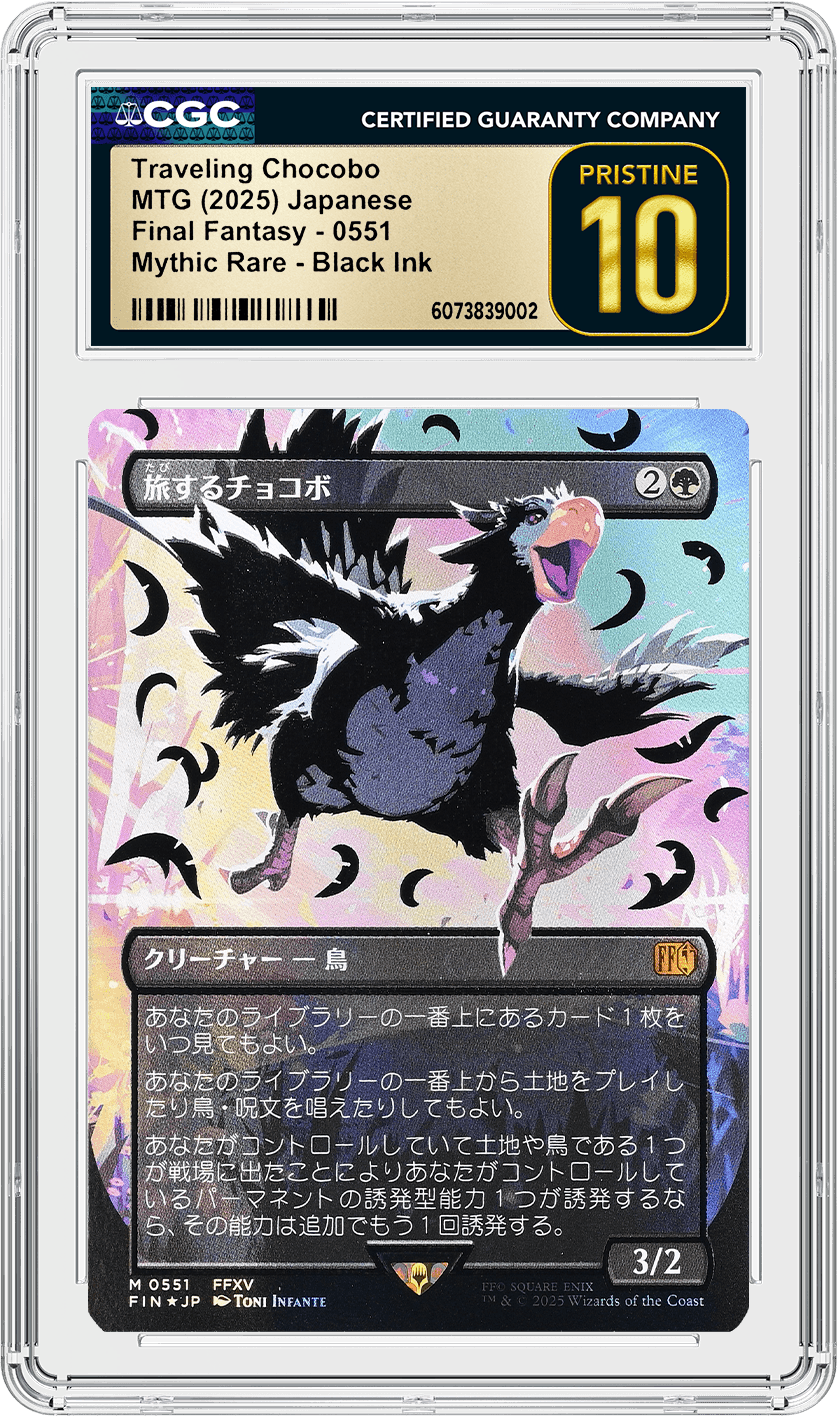
Borderless cards are MTG's take on full-art cards. The artwork on these borderless (or "full frame") cards extend across the entire card, eliminating borders and the art box. The card's text and symbols are laid over the artwork so that the entire image is visible without sacrificing any of the card's key components. Although borderless cards do not have borders, they are considered legal in tournament play.
While borderless cards in Magic: The Gathering aren't necessarily "rare," they can be elusive and more expensive than their set counterparts, depending on scarcity and treatment. Borderless Mythic Rare cards, for example, are extremely difficult to pull from booster packs, so they are significantly more rare and expensive on the secondary market. Borderless cards can also have different artwork from their counterparts depending on the set, which make them more desirable. Several borderless cards in the Teenage Mutant Ninja Turtles x MTG set were illustrated by Kevin Eastman — the creator of Teenage Mutant Ninja Turtles — in his comic book style, for example. These cards are highly desired by collectors and fetch a premium at auction.
By understanding what each color or style of border means on a Magic: The Gathering card, collectors can easily choose which cards to add to their decks or collection based on legality, rarity, and value.
About CGC
Since revolutionizing comic book grading in 2000, CGC has grown to include certification services for a vast variety of pop culture collectibles, including trading card games (TCGs), sports cards, magazines, video games, and home media. CGC also offers seamless solutions for autograph collectors with CGC Signature Series and JSA Authentic Autograph services. If you collect it, we will grade and protect it.
CGC is part of the Certified Collectibles Group, a global provider of expert and impartial authentication and grading services for collectibles. Since 1987, the Certified Collectibles Group companies have certified more than 110 million collectibles, including coins, banknotes, comic books, cards, autographs, and stamps.